
Key Points
Good water makes a difference in ways we don’t always notice right away. It affects the taste of morning coffee, the way dishes look after washing, and how much time we spend scrubbing mineral stains from bathroom fixtures. When water quality becomes a problem, even ordinary household routines can feel a little more frustrating than…
Good water makes a difference in ways we don’t always notice right away. It affects the taste of morning coffee, the way dishes look after washing, and how much time we spend scrubbing mineral stains from bathroom fixtures. When water quality becomes a problem, even ordinary household routines can feel a little more frustrating than they should.
Fortunately, there are several ways to improve water quality, and the right solution doesn’t have to be complicated. Some homes need better drinking water at the kitchen sink, while others require treatment throughout the plumbing system. Understanding the available options is the first step toward making a practical decision that suits your household and budget.
Start With a Clear Picture of Your Water Quality
Before shopping for treatment equipment, find out what’s actually in your water. An unusual taste, cloudy appearance, or unpleasant smell can offer clues, but these signs don’t tell the whole story. Some contaminants cannot be seen, tasted, or smelled, which is why testing matters.
Related reading: Better Water Begins With Understanding What Your Home Really NeedsWhy Professional Water Treatment Advice Makes a Difference at HomeWhat to Do Before the Plumber Arrives: Simple Steps That Can Limit DamageWater supplied by a municipal utility may already receive treatment and routine monitoring, yet its quality can still be affected by distribution pipes or plumbing inside a building. Private wells require a different approach because homeowners are generally responsible for arranging their own testing and maintaining the safety of their water supply.
A water test can identify concerns such as hardness, iron, sediment, or certain chemical and microbiological contaminants. The appropriate testing panel depends on the water source and local risks. For well owners, it is particularly important to follow local public health guidance about testing for bacteria, nitrates, and other relevant substances.
Once the results are available, you’ll have a much better idea of what needs attention. Instead of guessing or purchasing equipment based on a neighbor’s experience, you can select a treatment method designed for the problem you actually have.
Improving Drinking Water at the Kitchen Sink
For many households, drinking water is the first concern. Perhaps tap water has a chlorine-like taste, or the family would simply prefer a convenient alternative to buying bottled water every week. In these situations, a dedicated drinking-water filter may be worth considering.
Related reading: Choosing the Right Water Softening System Starts With Understanding Your Home’s WaterWhy the Right Water Filtration System Is Only as Good as the Way It’s Installed and MaintainedReverse osmosis drinking water systems are a popular option because they use a semipermeable membrane to reduce many dissolved substances. Depending on the specific model and its certification, these systems can reduce certain salts, metals, and other unwanted compounds. They’re commonly installed beneath the kitchen sink, with treated water delivered through a separate faucet.
That said, reverse osmosis isn’t necessary for every household. If the main concern is chlorine taste or odor, a properly certified activated carbon filter may provide a simpler and less expensive solution. The best choice depends on the test results, the contaminants of concern, and how much treated water your family uses each day.
When comparing systems, check the manufacturer’s performance data and look for independent certification relevant to the contaminants you want to reduce. Also consider filter replacement costs, installation requirements, and the amount of wastewater produced by the system. A lower purchase price doesn’t always mean lower long-term costs.
Why Whole-House Filtration Can Be Worth Considering
Sometimes, improving water at one faucet isn’t enough. If sediment, unpleasant odors, or other identified water quality issues affect showers, laundry, kitchen taps, and appliances, a treatment system installed where water enters the home may be more appropriate.
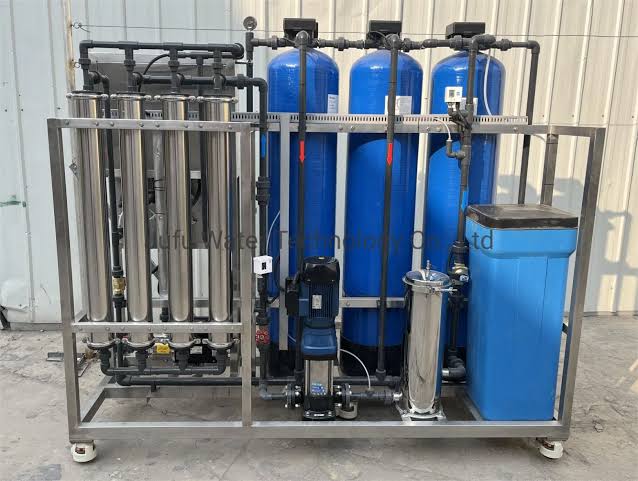
Whole-house water filtration treats water before it reaches most household fixtures. Depending on the equipment selected, it may reduce sediment, chlorine, or other substances that the system is specifically designed and tested to address. This can make it a useful option for households that want consistent treatment across multiple points of use.
However, whole-house filtration isn’t one universal technology. A sediment filter won’t necessarily remove dissolved chemicals, and an ordinary carbon filter won’t solve every mineral or microbiological problem. Some homes may need a combination of treatment stages, while others can achieve their goals with a single well-chosen filter.
It’s also important to distinguish between water that is suitable for bathing and water that is safe to drink. A filtration system should be selected according to its verified capabilities, rather than broad marketing promises. If testing identifies a health-related contaminant, work with a qualified water treatment professional or local health authority to determine the appropriate response.
Homes With Private Wells Need Special Attention
Private well water can be excellent, but its quality varies with local geology, rainfall, nearby land use, and the condition of the well itself. Groundwater may contain naturally occurring minerals, while surface runoff or damaged well components can introduce other substances.
Well water treatment should begin with a reliable water analysis rather than a standard equipment package. For example, high iron levels may cause rusty stains on laundry and plumbing fixtures. Hardness can contribute to scale buildup, while certain contaminants require specialized treatment methods that ordinary household filters cannot provide.
Depending on the results, a suitable setup might include sediment filtration, an iron removal system, water softening, ultraviolet disinfection, or another targeted technology. These systems perform different jobs, so the order of installation and compatibility between components can matter.
Well owners should also inspect the wellhead, keep potential contamination sources at a safe distance, and arrange repeat testing according to local recommendations. If water suddenly changes in taste, color, or smell, don’t assume the treatment system will automatically correct the problem. Investigate the cause and seek professional advice where appropriate.
Installation and Maintenance Matter More Than You Might Think
Even high-quality equipment needs proper installation and regular maintenance. A filter that’s poorly sized for household demand may restrict water flow, while an incorrectly installed system can develop leaks or fail to deliver the expected performance.
Before purchasing a unit, consider the number of people in the home, typical daily water demand, available installation space, and access to drainage or electricity where required. Whole-house equipment may need a dedicated utility area, while under-sink systems require room for cartridges, tubing, and a storage tank if one is included.
Ask the installer to explain how the system works, which components need routine replacement, and what maintenance costs to expect. Keep the product manual and record filter changes or service visits. Small habits like these can help prevent missed maintenance and unnecessary repair bills.
Pay attention to changes in water pressure, taste, or odor, too. These may indicate a clogged filter, a supply issue, or another problem that needs investigation. Follow the manufacturer’s instructions rather than waiting until the system stops working altogether.
Choosing a Solution That Makes Sense for Your Home
Water treatment is an investment, but it doesn’t need to become an expensive exercise in buying technology you don’t need. Start with testing, identify your priorities, and compare systems based on their actual performance rather than impressive-sounding claims.
Look at the total cost of ownership, including replacement filters, salt, electricity, servicing, and possible repairs. A reputable provider should explain the benefits and limitations of each recommended option and help you understand what the equipment can realistically achieve.
Better water begins with informed choices. Whether you’re trying to improve the taste of drinking water, reduce household buildup, or address a concern with a private well, the goal is the same: find a reliable solution that fits your needs and maintain it properly. With the right information and a little planning, cleaner, more comfortable water can become an everyday part of home life.
Related Posts
Same section · next recordsHOM-0784 · 30 Oct 2026 · Home services
Better Water Begins With Understanding What Your Home Really Needs
Most people don’t think about their water until something gives them a reason to…
HOM-0777 · 26 Oct 2026 · Home services
Why Professional Water Treatment Advice Makes a Difference at Home
Most homeowners don’t spend much time thinking about their water until something changes. Perhaps…
HOM-0716 · 22 Aug 2026 · Home services

What to Do Before the Plumber Arrives: Simple Steps That Can Limit Damage
A plumbing emergency can turn an ordinary day upside down pretty quickly. One minute…