
Key Points
Most homeowners don’t spend much time thinking about their water until something changes. Perhaps the tap water develops an unusual taste, the shower leaves behind stubborn mineral deposits, or the dishwasher seems to produce spotted glasses no matter which detergent you use. These little annoyances can become part of everyday life, but they may also…
Most homeowners don’t spend much time thinking about their water until something changes. Perhaps the tap water develops an unusual taste, the shower leaves behind stubborn mineral deposits, or the dishwasher seems to produce spotted glasses no matter which detergent you use. These little annoyances can become part of everyday life, but they may also be signs that your water deserves a closer look.
Finding the right solution isn’t always as simple as buying a filter from a store. Different water problems require different treatment methods, and equipment that works well in one home may not be suitable for another. That’s where knowledgeable professionals, proper testing, and a clear understanding of household needs can make the process much easier.
Start by Understanding Your Water
Before choosing a treatment system, take time to understand the water coming into your home. Its characteristics depend on several factors, including the source, local geology, treatment methods, and condition of the plumbing.
Related reading: What to Do Before the Plumber Arrives: Simple Steps That Can Limit DamageChoosing the Right Water Softening System Starts With Understanding Your Home’s WaterWhy the Right Water Filtration System Is Only as Good as the Way It’s Installed and MaintainedMunicipal water is treated to meet applicable drinking-water standards, but some people still dislike its taste or smell. Others experience hard-water scale around faucets and showerheads. Homes using private wells can face additional concerns because groundwater quality varies with local conditions and may change over time.
It’s important not to judge safety by appearance alone. Clear water isn’t necessarily free from contaminants, and an unpleasant taste doesn’t automatically mean water is dangerous. Testing provides more useful information than guesswork.
Start by noting the problems you’ve observed. Does the water smell unusual? Are mineral deposits building up around fixtures? Does the water leave reddish stains, or have you noticed changes after plumbing work? These details can help guide the next steps.
A suitable water test can identify specific issues and help narrow down treatment choices. For private wells, testing through a qualified laboratory is especially important, with the testing schedule and parameters guided by local public health recommendations.
Related reading: Why Replacing an Aging Water Treatment System Can Save More Than You ExpectStarting Fresh with Cooling: What Really Matters When You Set Up a New AC SystemThe Value of Experienced Water Treatment Professionals
Water treatment equipment can look straightforward in an online product listing. In practice, selecting the right system involves more than comparing prices and reading a few customer reviews.
Experienced technicians can help connect the symptoms you’re noticing with possible causes and appropriate treatment options. They may assess water hardness, discuss taste and odor concerns, review available test results, and consider how much water your household uses each day.
For instance, a small household that mainly wants better-tasting drinking water may need only a compact under-sink filter. A larger family dealing with hard water throughout the house may benefit from a properly sized softener, potentially combined with a separate drinking-water filtration system.
The important point is that the equipment should match the problem. A water softener addresses hardness, but it isn’t designed to remove every contaminant. A carbon filter may improve taste and odor, yet it won’t necessarily reduce dissolved minerals or microorganisms. Different technologies have different capabilities.
A good technician should explain these differences in plain English rather than overwhelming you with technical terms. They should also be willing to discuss the limitations of a proposed system. That kind of honest conversation helps homeowners make informed decisions without feeling pressured into buying more equipment than they need.
Why Proper Testing and Analysis Matter
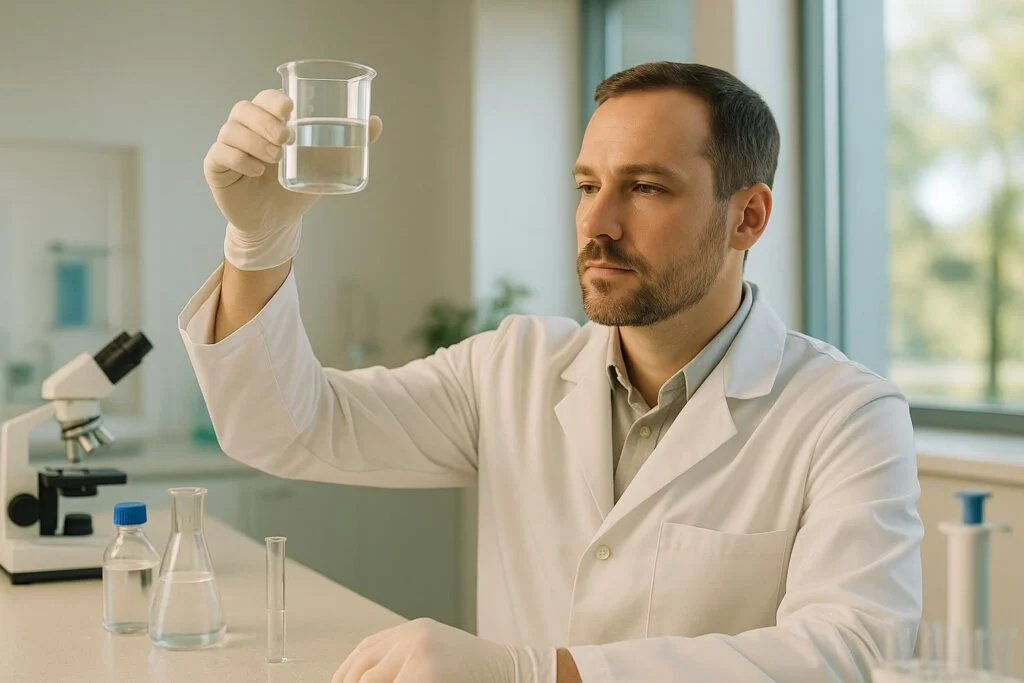
Water treatment decisions are stronger when they’re based on evidence. Although household symptoms provide useful clues, they rarely tell the whole story.
Professional expert analysis can help interpret test results and determine which treatment methods are appropriate. Depending on the situation, testing may examine hardness, pH, iron, manganese, dissolved substances, or particular contaminants associated with the water source.
The testing plan should be tailored to the circumstances. Municipal customers can begin by reviewing their water provider’s quality report and discussing any unusual household concerns. Private-well owners should arrange appropriate laboratory testing, even when their water looks and tastes normal.
Once the results are available, the next step is understanding what they mean. A detected substance isn’t automatically a reason to panic; its concentration, applicable health guidance, and the intended use of the water all matter. At the same time, a reassuring appearance should never replace proper testing when a genuine concern exists.
If a result identifies a potential health risk, consult the relevant public health authority or water supplier about appropriate precautions. Treatment equipment should be selected for the specific issue, and follow-up testing may be needed to confirm that the solution is working.
This process may take a little more time than buying the first product you find, but it can prevent wasted money and give you greater confidence in your decision.
Choosing Equipment That Fits Your Household
Once the problem is understood, comparing systems becomes much easier. Instead of looking for a product that promises to fix everything, focus on verified performance and practical requirements.
Activated carbon filters are commonly used to improve chlorine taste and odor, depending on the model. Sediment filters help remove suspended particles. Water softeners reduce hardness minerals through an ion-exchange process, while reverse osmosis systems can reduce many dissolved substances when appropriately designed and maintained.
Each option has its own considerations. Some systems require replacement cartridges every few months, while others need periodic servicing or replenishment of treatment materials. Reverse osmosis systems may produce wastewater, and some softeners require a drain connection and regular salt replenishment.
Before making a purchase, ask about the system’s certified contaminant-reduction claims, expected operating costs, maintenance schedule, and replacement-part availability. If a provider recommends several stages of treatment, ask what each one contributes.
Installation requirements deserve attention, too. Available space, plumbing connections, water pressure, and household demand can influence which equipment is practical. A system that fits neatly beneath a kitchen sink may be perfect for one home but unsuitable for another.
Maintenance Is Part of Water Treatment
Installing a treatment system is only the beginning. To keep it performing as intended, homeowners need to follow the manufacturer’s maintenance instructions.
Filters have a finite service life. As they collect material or reach their replacement interval, their performance can change. Neglected equipment may also develop operational problems, and components that require cleaning or sanitization should not be left unattended.
Keep a simple record of installation dates, filter replacements, and service visits. If your system includes a maintenance indicator, learn what it means and whether it tracks actual filter performance or simply estimates the replacement interval.
It’s also wise to pay attention to changes in the water. A sudden difference in taste, smell, color, or flow rate may indicate a problem that needs investigation. Don’t assume that replacing a cartridge will solve every unexpected change.
For households using private wells, treatment equipment doesn’t replace routine water testing. The source itself should continue to be monitored according to local guidance.
Look for Long-Term Support, Not Just a Sale
Price matters, of course, but the cheapest installation isn’t always the best value. A reliable provider should explain the initial cost, expected maintenance expenses, warranty coverage, and availability of future service.
Ask who to contact if a connection leaks, the system stops working, or replacement parts are needed. Find out whether servicing is included or charged separately. Clear answers now can prevent frustration later.
Good service also means respecting your budget and your concerns. You should feel comfortable asking questions, comparing alternatives, and taking time to decide.
Making a Better Choice for Your Home
Clean, dependable household water begins with understanding what you have and what you want to improve. Whether you’re dealing with unpleasant taste, mineral buildup, or a concern identified through testing, the best approach is to match the treatment method to the actual problem.
Pay attention to water quality rather than relying on marketing promises. Get appropriate test results, ask knowledgeable professionals to explain your options, and consider the long-term costs before choosing a system.
You don’t necessarily need the most advanced equipment available. You need something suitable for your water, your household, and your budget—plus a maintenance plan you can realistically follow.
With thoughtful advice and a little preparation, water treatment becomes less of a guessing game. The result is a more confident decision and a solution designed to serve your home well over time.
Related Posts
Same section · next recordsHOM-0716 · 22 Aug 2026 · Home services

What to Do Before the Plumber Arrives: Simple Steps That Can Limit Damage
A plumbing emergency can turn an ordinary day upside down pretty quickly. One minute…
HOM-0705 · 28 Jul 2026 · Home services
Choosing the Right Water Softening System Starts With Understanding Your Home’s Water
Not All Water Feels the Same It’s funny how we expect water to be…
HOM-0701 · 28 Jul 2026 · Home services

Why the Right Water Filtration System Is Only as Good as the Way It’s Installed and Maintained
Buying a home water filtration system can feel like crossing an important item off…