
Key Points
Water is one of those things we rarely think about until it starts causing problems. A dishwasher leaves spots on freshly cleaned glasses, the showerhead develops a layer of white residue, or the water heater seems to need more attention than it used to. These little inconveniences may not seem like much at first, but…
Water is one of those things we rarely think about until it starts causing problems. A dishwasher leaves spots on freshly cleaned glasses, the showerhead develops a layer of white residue, or the water heater seems to need more attention than it used to. These little inconveniences may not seem like much at first, but over time, they can affect the comfort of your home and the performance of everyday appliances.
The interesting part is that many water-related problems can be addressed with the right treatment approach. You don’t necessarily need a complicated setup. Sometimes, understanding your water and making a few practical changes can go a long way.
Why Household Water Can Affect Appliances
Water naturally contains minerals, and in many areas, calcium and magnesium are present in relatively high amounts. These minerals are responsible for hard water. While hardness isn’t generally considered a health concern on its own, it can create frustrating problems around the house.
Related reading: Living With Hard Water? Here’s How the Right Water Softener Can Make a DifferenceExperience Advanced Drinking Water Filtration With the Kinetico K5 Drinking Water StationKeeping Mineral Deposits Under Control: A Smarter Approach to Hard Water in Aledo, TexasMineral deposits gradually collect inside pipes, water heaters, washing machines, coffee makers, and dishwashers. Over time, buildup can interfere with heating efficiency and water flow. Homeowners might notice that appliances take longer to perform their usual tasks or that cleaning becomes more difficult than it should be.
Proper water conditioning can help reduce these issues, making water better for your appliances while helping limit unnecessary wear caused by mineral scale. It’s not a replacement for regular maintenance, of course, but it can be a useful part of protecting equipment that costs hundreds or even thousands of dollars.
Understanding Your Water Before Choosing a Solution
One of the biggest mistakes homeowners make is purchasing a filtration system based solely on advertisements or recommendations from friends. What works beautifully in one home may not solve the problem in another.
Water quality varies depending on the source, local treatment practices, plumbing materials, and environmental conditions. A household using municipal water may experience chlorine-related taste issues, while another using well water might have concerns about sediment, iron, hardness, or other naturally occurring substances.
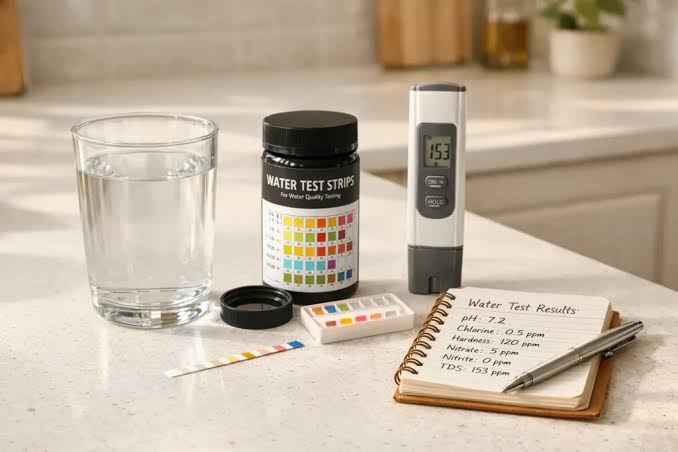
Related reading: Better Drinking Water Starts With the Right Treatment SystemBetter Water Begins With Understanding What Your Home Really NeedsThis is where accurate water testing becomes valuable. Testing helps identify the characteristics of your water instead of relying on guesswork. Depending on the results, you may need a simple sediment filter, a carbon filtration unit, a water softener, or a more advanced drinking water system.
Knowing what you’re dealing with first also prevents unnecessary spending. There’s little point in investing in equipment that addresses a problem your home doesn’t actually have.
Treatment Options That Make Sense for Everyday Homes
Water treatment isn’t a one-size-fits-all process. Different technologies serve different purposes, and understanding the basics can make choosing a system much easier.
Sediment filters are commonly used to capture dirt, sand, rust particles, and other suspended material. Carbon filters help improve taste and odor, particularly when chlorine is a concern. Water softeners reduce hardness through ion exchange, helping prevent mineral scale from accumulating throughout the plumbing system.
Reverse osmosis systems are often installed for drinking water, especially when homeowners want to reduce certain dissolved substances. Depending on the model and certification, these systems can reduce several contaminants while providing water for drinking, cooking, and preparing beverages.
Many homeowners benefit from combining technologies, but the combination should be based on actual water conditions rather than simply choosing the most expensive package.
Why Customized Water Treatment Matters
Every household has its own priorities. A family that cooks frequently may care most about drinking water quality, while another homeowner might be tired of hard water stains, soap residue, and scale around bathroom fixtures. Some households face several issues at once.
Professional custom water treatment solutions can take these differences into account. A properly designed system considers water chemistry, household size, daily consumption, plumbing configuration, available installation space, and ongoing maintenance requirements.
Customization doesn’t necessarily mean adding more equipment. In fact, the best solution may be a straightforward system that does one or two things particularly well. Simplicity can be a real advantage when filters need replacement or equipment requires servicing years down the road.
Small Changes Can Make a Noticeable Difference
Water treatment is only one part of maintaining a comfortable home. Cleaning faucet aerators, checking appliance hoses, following recommended maintenance schedules, and replacing filters on time all help keep systems working as intended.
If you notice a sudden change in water color, smell, or taste, don’t ignore it. Such changes can sometimes be related to plumbing issues or changes in the water supply, and investigating the cause is better than simply installing another filter.
Homeowners should also understand that filtration systems have limits. No single product removes every possible contaminant, so choosing equipment with appropriate testing and certifications is important.
Investing in Better Water for the Long Run
A home runs on countless small routines, and water sits at the center of many of them. When it’s cleaner, properly conditioned, and suited to the household’s needs, everyday tasks can feel easier. Appliances may experience less scale buildup, cleaning can become less frustrating, and drinking water can taste more pleasant.
The smartest approach isn’t chasing every new water treatment product on the market. It’s learning what’s in your water, identifying the problems worth solving, and choosing a reliable system that fits your home and lifestyle. A little planning today can help prevent avoidable headaches tomorrow.
Related Posts
Same section · next recordsHOM-0803 · 25 Nov 2026 · Home services
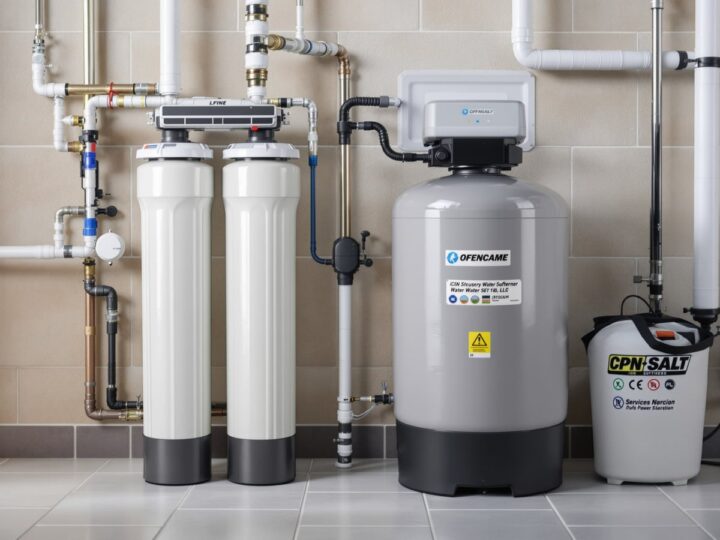
Living With Hard Water? Here’s How the Right Water Softener Can Make a Difference
There’s something particularly annoying about spending an afternoon cleaning the bathroom, only to find…
HOM-0800 · 25 Nov 2026 · Home services
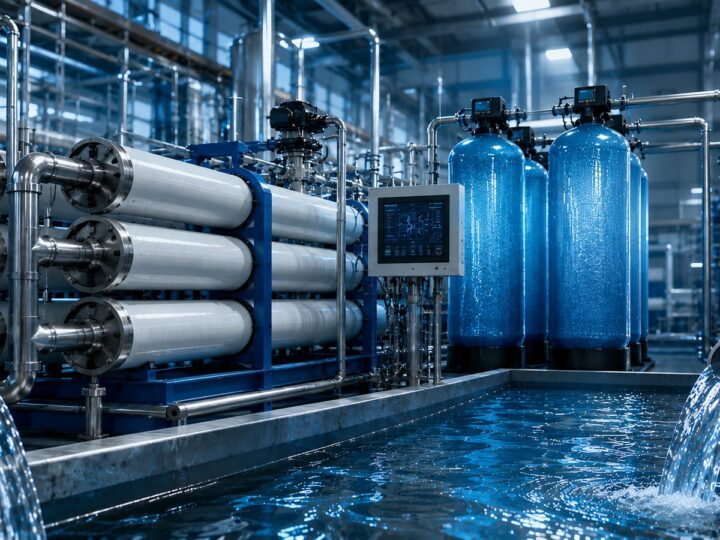
Experience Advanced Drinking Water Filtration With the Kinetico K5 Drinking Water Station
A refreshing glass of water shouldn’t come with an unpleasant aftertaste or lingering concerns…
HOM-0797 · 25 Nov 2026 · Home services
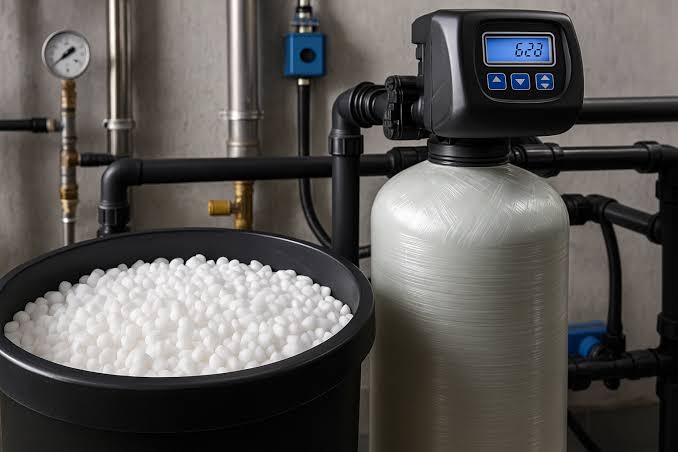
Keeping Mineral Deposits Under Control: A Smarter Approach to Hard Water in Aledo, Texas
You wipe down the kitchen faucet, scrub the bathroom tiles, and clean the showerhead.…