
Key Points
Most people don’t think about their water until something gives them a reason to pause. Maybe the kettle develops a chalky coating, the shower leaves spots on the glass, or a glass of tap water has an unfamiliar taste. These little annoyances can become part of daily life, but they may also be signs that…
Most people don’t think about their water until something gives them a reason to pause. Maybe the kettle develops a chalky coating, the shower leaves spots on the glass, or a glass of tap water has an unfamiliar taste. These little annoyances can become part of daily life, but they may also be signs that your home’s water deserves a closer look.
The challenge is knowing what to do next. With so many filters, softeners, and purification systems available, it’s easy to feel overwhelmed before you’ve even identified the problem. A more practical approach starts with understanding your water, looking at the evidence, and choosing improvements that make sense for your household.
The Small Signs That Deserve Attention
Water problems don’t always arrive dramatically. Often, they’re the little things that gradually become harder to ignore. Soap may stop lathering as well as it used to. White deposits appear around faucets, or laundry feels stiff even when you’re using the same detergent. Sometimes the water smells unusual, or its taste changes without any obvious explanation.
Related reading: Why Professional Water Treatment Advice Makes a Difference at HomeWhat to Do Before the Plumber Arrives: Simple Steps That Can Limit DamageChoosing the Right Water Softening System Starts With Understanding Your Home’s WaterThese signs can offer clues, but they don’t provide a complete diagnosis. White scale often points to hardness minerals, while reddish staining can be associated with iron. A chemical taste may have a different cause altogether, and some contaminants cannot be detected through taste, smell, or appearance.
It’s worth noticing whether the problem affects the entire house or just one fixture. If only the kitchen faucet has an unusual taste, the fixture or its local plumbing may be involved. If the change appears at every tap, the incoming supply or a treatment system could deserve attention.
Persistent water quality concerns are best investigated rather than guessed at. Replacing a filter without knowing what it needs to address can waste money, especially when the real cause lies elsewhere.
Why Testing Makes the Process Easier
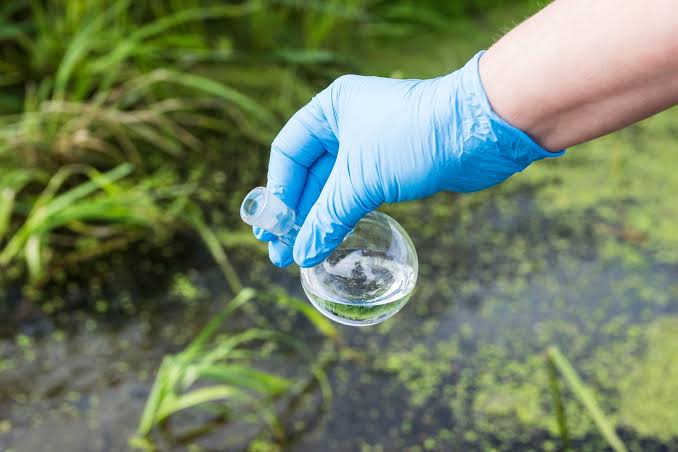
Before investing in equipment, find out what is actually present in your water. Testing can help identify characteristics such as hardness, pH, iron, dissolved solids, or particular contaminants. The right test depends on your water source and the issue you’re trying to understand.
Related reading: Why the Right Water Filtration System Is Only as Good as the Way It’s Installed and MaintainedWhy Replacing an Aging Water Treatment System Can Save More Than You ExpectFor municipal water, the supplier’s published water-quality report is a useful starting point. It provides information about the water monitored across the supply system, although it may not reveal issues caused by the plumbing inside an individual property. Private wells need a more tailored approach because groundwater conditions can vary considerably and may change over time.
A free water test offered by a reputable treatment provider can be a convenient first step. Before arranging one, ask what it measures and whether the results will be supplied in writing. Some introductory tests focus on hardness or dissolved solids. Those measurements can be useful, but they don’t establish whether water is free from every health-related contaminant.
If you’re concerned about bacteria, lead, nitrates, or other substances that may affect health, use appropriate testing methods and consider a certified laboratory. A dependable result gives you a stronger foundation for making decisions.
Different Water Problems Need Different Answers
One of the most common mistakes homeowners make is assuming a single filter can solve every water issue. In reality, treatment technologies are designed for different purposes.
Sediment filters capture particles such as sand or rust. Activated carbon can reduce certain tastes, odors, and selected compounds, depending on the product’s design and certification. Water softeners address hardness minerals, while reverse osmosis systems can reduce many dissolved substances when properly selected and maintained.
Consider a household where shower doors repeatedly develop white deposits. If testing confirms hard water, a conventional ion-exchange softener may help reduce calcium and magnesium. Installing a drinking-water filter alone is unlikely to solve scale throughout the plumbing.
Now imagine a different home where the main complaint is an unpleasant chlorine taste at the kitchen tap. A suitably certified carbon filter may be a more practical choice than installing a large whole-house system. The best option depends on the evidence, not on which product has the longest feature list.
That’s where customized solutions become useful. A treatment plan should reflect the water test results, household size, daily demand, available installation space, and the owner’s willingness to handle maintenance. Some homes need only one well-chosen device. Others may benefit from a combination of technologies.
Think About the Cost Beyond Installation
The purchase price is only one part of owning a water treatment system. Replacement cartridges, softener salt, electricity, wastewater, and professional servicing can all add to the long-term cost. A unit that seems affordable initially may become less appealing if replacement parts are expensive or difficult to obtain.
Ask for a clear estimate before committing. Find out what installation includes, whether plumbing changes are required, and how often the system needs servicing. If a provider recommends several pieces of equipment, ask what each one is intended to accomplish and whether the test results support that recommendation.
Flow rate is another practical detail. A system that works well for a small household may not meet the demand of a busy home with several bathrooms. If water pressure drops whenever multiple taps are running, the equipment may be undersized or unsuitable for the plumbing arrangement.
It’s also reasonable to compare more than one proposal. A trustworthy provider should be willing to explain the options without pressuring you into an immediate decision.
Maintenance Is Part of Better Water
Even a suitable system won’t perform as expected forever without proper care. Filters have limited service lives, softeners need periodic regeneration, and reverse osmosis membranes require replacement according to the manufacturer’s guidance.
Keep track of installation dates and maintenance visits. If the water’s taste changes, pressure drops, or scale begins returning, investigate rather than assuming the equipment simply needs a quick adjustment. The cause may be a worn filter, incorrect settings, or a change in the incoming water.
Homeowners using private wells should follow local testing recommendations and arrange additional checks after flooding, repairs, or sudden changes in water quality. Municipal customers should also pay attention to plumbing work and persistent changes at the tap.
Routine care doesn’t have to be complicated. A calendar reminder and a folder for test results can make a surprising difference.
Making a Confident Choice
Good water treatment isn’t about buying the most advanced equipment available. It’s about understanding what your water needs and choosing a system that addresses those needs reliably.
Start with the signs you’ve noticed, arrange suitable testing, and compare equipment based on verified performance, maintenance requirements, and total cost. Be cautious of broad promises that one device can remove everything or that a single basic test proves your water is unsafe.
With clear information and a sensible plan, you can reduce everyday frustrations and make improvements that fit your home. The result isn’t simply better-tasting water or fewer mineral stains. It’s the confidence that comes from knowing why you’ve chosen a particular solution—and what it can realistically do for you.
Related Posts
Same section · next recordsHOM-0777 · 26 Oct 2026 · Home services
Why Professional Water Treatment Advice Makes a Difference at Home
Most homeowners don’t spend much time thinking about their water until something changes. Perhaps…
HOM-0716 · 22 Aug 2026 · Home services

What to Do Before the Plumber Arrives: Simple Steps That Can Limit Damage
A plumbing emergency can turn an ordinary day upside down pretty quickly. One minute…
HOM-0705 · 28 Jul 2026 · Home services

Choosing the Right Water Softening System Starts With Understanding Your Home’s Water
Not All Water Feels the Same It’s funny how we expect water to be…