
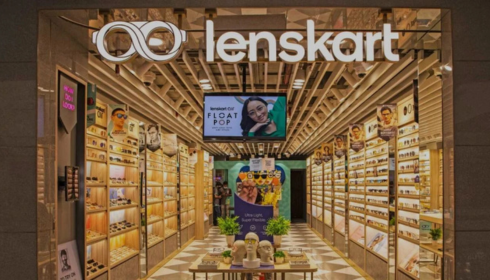
India’s eyewear industry has evolved rapidly over the last few years. Spectacles are no longer seen as just a medical necessity. Today, eyewear is closely linked with fashion, lifestyle, and even digital comfort. With screen time increasing among students, professionals, and gamers, the demand for quality eyewear continues to rise steadily. This growing market is one reason why many investors are exploring the idea of opening a Lenskart outlet.
Among organized eyewear brands, Lenskart has built strong recognition across metro cities as well as smaller towns. Its mix of online convenience and offline store experience has helped the brand gain trust among Indian consumers. Naturally, people interested in retail businesses often search for franchise opportunities connected to established names.
The Rising Demand for Eyewear Stores
There was a time when people bought glasses only when absolutely necessary. Things have changed now. Frames have become style statements, blue-light protection glasses are common among office workers, and contact lenses are widely used by younger customers. Even sunglasses are now considered an everyday fashion accessory.
This shift in consumer behavior has created consistent demand in the optical retail segment. Unlike seasonal businesses, eyewear stores often enjoy year-round customer flow. Some customers visit for prescription glasses, while others come for fashion frames or eye-testing services.
Because of this steady demand, many entrepreneurs are now researching lenskart store dealership opportunities in different cities and towns.
Understanding the Investment Requirement
Before entering any franchise business, understanding the financial commitment is essential. In the case of organized eyewear retail, the investment generally includes store interiors, branding, furniture, product displays, staff training, equipment, rental deposits, and operational expenses.
The estimated lenskart store franchise cost can vary depending on location and store size. In premium shopping areas or metro cities, the investment may be higher due to expensive rentals and larger showroom requirements. Smaller cities may require comparatively lower investment, but profitability also depends on local demand and competition.
Business owners should not only focus on setup costs. Working capital is equally important. Salaries, electricity bills, marketing activities, and daily operational expenses continue even before the store achieves stable monthly sales.
Why Brand Recognition Matters
One of the biggest challenges in retail is earning customer trust. Independent optical shops often spend years building credibility in their local market. A recognized brand changes that equation to some extent because customers are already familiar with the company through advertising, social media, and online shopping platforms.
Many buyers prefer entering branded stores because they expect standardized pricing, better service quality, and modern product collections. This trust factor can help franchise owners attract walk-in customers more quickly compared to completely new businesses.
Another advantage is technology integration. Modern optical retailers use digital face scanning, virtual frame trials, and computerized eye-testing systems. These features create a smoother shopping experience and help stores appear more professional.
Choosing the Right Store Location
Location can determine whether a retail business succeeds or struggles. Optical stores generally perform well in high-footfall areas such as shopping complexes, busy markets, commercial zones, and residential neighborhoods with strong middle-class populations.
Visibility matters more than many people realize. Customers often enter eyewear stores after casually noticing attractive frame displays or promotional offers. A hidden location with low visibility may reduce spontaneous customer visits.
It’s also important to study nearby competition before finalizing a property. Too many existing optical stores in one area can make customer acquisition difficult during the early months.
Operational Challenges to Consider
While franchise businesses provide structure and support, they still require active management. Customer service plays a huge role in retail success. Staff behavior, product knowledge, and after-sales support directly impact customer satisfaction.
Inventory management is another important factor. Eyewear trends change quickly, and customers expect updated collections regularly. Franchise owners must balance product availability without overstocking slow-moving designs.
Patience is equally necessary. Some outlets become profitable quickly, while others take time to build consistent footfall. Success often depends on local marketing efforts, customer relationships, and operational discipline rather than brand name alone.
Final Thoughts
India’s organized eyewear industry continues to expand as awareness about eye care and fashion eyewear grows. Franchises connected to trusted brands naturally attract entrepreneurs looking for long-term retail opportunities.
However, opening a Lenskart outlet should be approached like any serious business investment. Proper financial planning, location analysis, and customer understanding remain essential for success. For entrepreneurs willing to stay committed and manage operations carefully, the optical retail segment can offer stable growth opportunities in the coming years.