The First Time You Notice the Difference
It’s funny how something as ordinary as water can suddenly feel… different. Maybe you visit a friend’s house and notice their tap water tastes surprisingly clean, almost refreshing. Or you move to a new city and realize your morning tea doesn’t quite have the same flavor anymore.
These small moments often spark curiosity. What changed? Why does water sometimes taste crisp and pure, and other times dull or slightly metallic?
The answer usually lies in the filtration process — specifically, how water is treated before it reaches your glass.
Modern filtration systems are more advanced than most people realize. They don’t just remove visible impurities; they use carefully designed stages to refine water step by step, improving both quality and taste along the way.
Understanding What Affects Water Taste
Water may appear clear, but it often carries a variety of dissolved substances.
Minerals like calcium and magnesium contribute to hardness. Chlorine used for disinfection can leave a noticeable odor. Tiny sediments and organic particles may also influence flavor and clarity.
Even when these elements are present in safe amounts, they can still affect how water tastes and feels.
That’s why filtration isn’t just about safety — it’s also about comfort and everyday experience.
Improving water taste often requires a layered approach that addresses different types of impurities at various stages.
The Importance of Early Filtration Stages
One of the most critical steps in modern filtration systems happens right at the beginning.
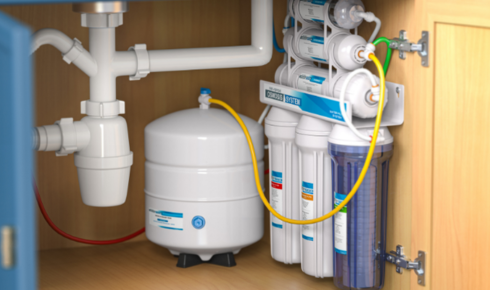
Before water reaches advanced purification components, it often passes through a pre-filtration membrane designed to remove larger particles and sediments.
This early stage plays a crucial role. By eliminating debris such as sand, rust, and organic matter, pre-filtration protects downstream components and improves overall system efficiency.
It also helps ensure that finer filtration stages can focus on dissolved impurities rather than dealing with bulk contaminants.
Think of it as the foundation of the entire process — preparing water for deeper purification.
How Multiple Filtration Layers Work Together
Once pre-filtration removes larger particles, water typically moves through additional treatment stages.
These may include activated carbon filters that absorb chlorine and organic compounds, as well as advanced membranes designed to remove microscopic impurities.
Each layer contributes to a gradual improvement in water quality. Instead of relying on a single filter, modern systems combine multiple technologies to address different challenges.
This multi-stage approach ensures that water becomes progressively cleaner as it moves through the system.
The result is a noticeable transformation — not just in clarity but also in taste and overall freshness.
The Final Step That Makes Water Taste Better
Even after extensive filtration, one more stage often plays a key role in enhancing drinking quality.
This is known as post-filtration polishing, a process designed to refine water just before it reaches the tap.
Polishing filters typically use activated carbon or similar materials to remove any remaining traces of odors or flavor-altering compounds.
This final step ensures that water tastes smooth, clean, and balanced — free from the subtle aftertastes that sometimes linger even after basic filtration.
For many households, this stage is what creates that “fresh spring water” sensation.
Why Taste Matters More Than You Think
Taste may seem like a minor factor compared to safety, but it plays a surprisingly important role in daily habits.
When water tastes better, people tend to drink more of it. This can support hydration and overall wellness without requiring conscious effort.
Improved flavor also enhances cooking. Clean water allows natural ingredients to shine, whether you’re making coffee, preparing soup, or cooking rice.
It’s one of those small upgrades that quietly improves multiple aspects of daily life.
And for many households, achieving improved water taste becomes the most noticeable benefit of installing a filtration system.
Maintenance: The Key to Consistent Performance
Even the most advanced filtration systems require regular care to maintain effectiveness.
Filters must be replaced according to manufacturer recommendations, and system components should be inspected periodically.
Neglecting maintenance can reduce filtration efficiency and allow impurities to return over time.
Fortunately, many modern systems include indicators that simplify maintenance scheduling.
With proper upkeep, filtration systems can provide consistent water quality for years.
Choosing the Right Filtration System
Selecting an appropriate filtration solution depends on local water conditions and household needs.
Water testing is often the first step, helping identify specific issues such as hardness, chlorine content, or sediment levels.
From there, homeowners can evaluate system capacity, installation requirements, and maintenance considerations.
Professional guidance can also help ensure optimal performance and long-term reliability.
Making an informed choice helps maximize both effectiveness and value.
Looking Toward the Future of Water Filtration
Water treatment technology continues to evolve rapidly.
New filtration materials are becoming more efficient and environmentally friendly. Smart monitoring systems allow homeowners to track performance and receive maintenance alerts through mobile apps.
There’s also growing interest in sustainable designs that reduce water waste and energy consumption.
These advancements promise to make high-quality drinking water more accessible and convenient in the years ahead.
A Small Change That Makes Everyday Life Better
Water is one of life’s simplest essentials, yet its quality can significantly influence daily experiences.
From the first sip in the morning to the last glass before bed, clean, great-tasting water supports comfort, health, and peace of mind.