There’s a certain comfort in routine—especially the kind that involves something as simple as turning on a tap. You expect water to flow, clear and reliable, without surprises. And most days, it does.
But every now and then, something feels off.
Maybe the water looks slightly cloudy. Or there’s a faint yellow tint you can’t quite ignore. It’s subtle enough to second-guess, but noticeable enough to linger in your mind. You stare at the glass a little longer than usual, wondering if it’s just the lighting—or something more.
That moment, right there, is where awareness begins.
The Color That Raises Questions
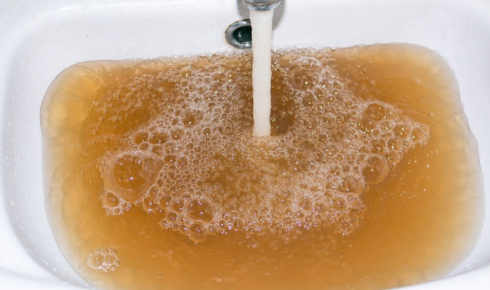
Water isn’t supposed to have personality, but sometimes it does. A rusty hue, a milky appearance, or even a faint brownish tint can make you pause. It doesn’t always mean something dangerous is happening, but it definitely means something is different.
Understanding water discoloration causes can be surprisingly eye-opening. Often, it comes down to minerals like iron or manganese making their way into your water supply. In other cases, it could be sediment stirred up in pipes after maintenance or changes in water pressure.
Even aging plumbing systems can play a role, introducing tiny particles that affect how water looks.
What’s interesting is that discoloration doesn’t always affect safety directly—but it does affect trust. When water doesn’t look right, you hesitate. You question. And that changes your entire experience.
The Build-Up You Don’t See (Until You Do)
Now shift your focus from what you can see to what you can’t.
Inside your pipes, your geyser, your washing machine—there’s a quiet process happening over time. Minerals in water, especially calcium and magnesium, start to settle and harden. Layer by layer, they build up.
At first, it’s invisible. Then you notice your showerhead isn’t working quite like it used to. Your taps develop that stubborn white crust. Your appliances seem to lose efficiency.
This is where scale buildup prevention becomes more than just a maintenance tip—it becomes a way to protect your home from gradual wear and tear.
Because scale doesn’t just sit there. It affects water flow, energy consumption, and even the lifespan of your appliances. And by the time it’s obvious, it’s already been forming for a while.
The Simple Joy of Water That Feels Right
After noticing discoloration and dealing with buildup, you start to appreciate something you probably took for granted before—water that feels clean.
Not just safe, but genuinely refreshing. The kind of water you don’t think twice about drinking. The kind that doesn’t leave an aftertaste or make you wonder what’s in it.
That’s the experience of having clear drinking water. It’s simple, almost boring in the best way possible. No surprises, no hesitation—just trust.
And it’s funny how something so basic can make such a difference. Your tea tastes better. Your cooking feels more natural. You hydrate without overthinking it.
It’s one of those quiet improvements that slips into your daily life and stays there.
Why These Issues Often Go Unnoticed
Here’s the thing—most water problems don’t announce themselves loudly.
They don’t break things overnight or cause immediate disruption. Instead, they show up in small ways. A slight color change. A bit of residue. A subtle shift in taste.
And because they’re so gradual, we adapt. We clean more often. We use more detergent. We switch to bottled water for drinking.
We work around the problem instead of addressing it.
It’s not intentional. It’s just… easier in the moment.
Connecting the Dots in Everyday Life
Once you start paying attention, though, patterns emerge.
That discoloration? It’s not random.
That buildup? It’s not just “normal wear.”
That taste? It’s not something you have to live with.
These are all signals—small pieces of a bigger picture.
Water flows through every part of your home. It touches your food, your skin, your clothes, your appliances. When it’s slightly off, everything it interacts with feels that impact.
And when it’s right, everything feels just a bit smoother.
Taking the First Step Without Overthinking It
If all of this makes you want to look into your water, you’re not alone.
But here’s the good news—you don’t need to jump into complicated solutions right away.
Start with observation. Notice how your water looks, feels, and tastes. If something seems off, consider getting it tested. Understanding your water is the first step toward improving it.
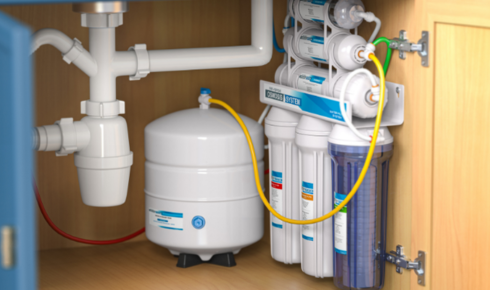
From there, solutions become clearer. Maybe it’s addressing mineral content. Maybe it’s improving filtration. Maybe it’s just confirming that everything is already within a safe range.
There’s no one-size-fits-all answer, and that’s okay.
A Subtle Upgrade That Changes Your Routine
Improving your water isn’t something you’ll talk about at dinner parties. It’s not a flashy upgrade or a visible transformation.
But it’s something you’ll feel—every day.
In the way your shower feels. In the taste of your morning coffee. In the ease of cleaning your kitchen. In the quiet confidence that what you’re using is exactly what it should be.
And over time, those small changes add up.
The Comfort of Not Having to Think About It
At the end of the day, the goal isn’t to obsess over your water. It’s the opposite.
It’s to reach a point where you don’t have to think about it at all.
Where turning on the tap feels simple again. Where a glass of water doesn’t make you pause. Where your home runs just a little more smoothly, without constant adjustments.
Because when water works the way it should, it fades into the background.
And sometimes, that’s the best outcome of all.