There’s a moment in every busy bar or restaurant when things feel perfectly in sync. The glasses clink, the taps flow smoothly, the kitchen hums like a well-tuned engine. Customers laugh, orders move quickly, and nobody really thinks about the machines making it all possible. That’s the beauty of a well-run establishment — everything simply works.
Until, suddenly, something doesn’t.
Maybe the beer tap starts sputtering during the Friday night rush. Or the ice machine decides to produce more noise than ice. These things rarely break at a convenient time, do they? And when they do, it’s a reminder that behind every good hospitality experience sits a network of hardworking appliances that need attention now and then.
Let’s talk about that hidden world for a moment.
The Machines That Keep Hospitality Moving
Walk into any restaurant, bar, hotel kitchen, or café, and you’ll find equipment quietly doing its job in the background. Refrigerators, ice makers, beer taps, dishwashers — they’re not glamorous, but they’re absolutely essential.
Think about it. A bar without ice? A restaurant with a broken fridge? A pub with a faulty tap system?
It doesn’t take long for small mechanical issues to ripple outward into lost sales, unhappy customers, and stressed staff. That’s why dependable washer diagnostics isn’t just maintenance — it’s part of the business strategy.
Operators who understand this tend to stay ahead of problems. They schedule inspections, call technicians early, and treat their equipment like long-term investments rather than disposable tools. And honestly, that approach saves money in the long run.
Because once equipment breaks down during peak hours, the costs multiply quickly.
When the Beer Tap Stops Cooperating
Anyone who has worked behind a bar knows the panic of a faulty tap system. Customers waiting. Foam spilling over the glass. Staff scrambling to figure out what’s wrong.
Sometimes the issue is minor — a pressure imbalance or a dirty line. Other times, something deeper in the cooling or dispensing system needs attention.
This is where a proper beer dispenser fix becomes more than just a quick repair. A skilled technician understands how draft systems operate as a whole: the CO₂ levels, temperature consistency, line cleanliness, and the mechanical components working together behind the counter.
When one of those elements drifts out of balance, the result isn’t just a slow pour. It’s wasted product, inconsistent taste, and frustrated bartenders.
And let’s face it — nobody enjoys pouring four foamy pints just to serve one drink.
Regular servicing can prevent most of these headaches. Draft systems need cleaning, calibration, and occasional part replacement. It’s not complicated, but it does require someone who knows exactly what they’re looking at.
The Underrated Hero: Ice Machines
Ice is one of those things customers rarely think about — unless it’s missing.
Cocktails, soft drinks, seafood displays, even certain desserts rely heavily on ice. In many restaurants, the ice machine works almost nonstop, day and night. That kind of workload eventually takes its toll.
Mineral buildup, clogged filters, worn motors — these issues creep in slowly. At first, you might notice smaller cubes or slower production. Maybe the ice tastes a little… off.
Ignore those signals long enough and the machine simply stops.
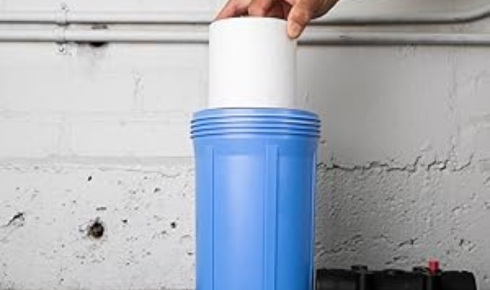
A professional ice machine service can catch these warning signs before they escalate. Technicians usually inspect water lines, sanitize internal components, check refrigeration performance, and replace filters that quietly accumulate bacteria and mineral deposits.
It’s not the most glamorous job in the hospitality world, but it’s one of the most important.
Clean ice isn’t just about quality — it’s also about health compliance.
Why Preventive Maintenance Matters More Than Emergency Repairs
There’s a common mindset among new business owners: “If it’s working, don’t touch it.”
That sounds reasonable, but commercial kitchen equipment lives a harder life than most machines. Long operating hours, heat, moisture, heavy usage — all of it slowly wears down internal components.
Preventive maintenance shifts the conversation from crisis response to system longevity.
Instead of waiting for a breakdown, technicians examine equipment while it’s still functioning. They replace worn parts early, clean critical components, and make adjustments that extend the life of expensive machines.
Over time, that proactive approach reduces downtime and lowers overall repair costs.
Think of it like servicing a car. You wouldn’t drive 200,000 kilometers without changing the oil — or at least, you shouldn’t.
Kitchen equipment deserves the same level of care.
Choosing the Right Repair Partner
Not all repair services are created equal. Some technicians focus on residential appliances, while others specialize in the complex systems found in restaurants and bars.
Commercial equipment is different. It’s larger, more powerful, and designed for constant operation. Fixing it requires specialized training and experience.
A good repair provider understands the urgency of hospitality businesses. They respond quickly, communicate clearly, and bring the right parts and tools the first time.
But beyond that, they become something else over time — a trusted partner.
When technicians learn the specific setup of your kitchen or bar, they can diagnose problems faster and recommend improvements before issues appear. That relationship alone can make a huge difference during busy seasons.
The Quiet Backbone of Great Hospitality
Customers remember great meals, good drinks, and friendly service. They rarely think about the machines that made those moments possible.
Yet those machines — the refrigerators, taps, dishwashers, and ice makers — quietly support every successful shift.
Keeping them running smoothly isn’t glamorous work. It doesn’t appear on the menu or the marketing materials. But anyone who’s managed a restaurant during a broken-equipment crisis knows exactly how important it is.
Reliable repairs, thoughtful maintenance, and experienced technicians form the invisible backbone of hospitality operations.