There’s a quiet pride that comes with investing in premium appliances. The sleek finish. The smart features. The promise of efficiency and longevity. Brands like Samsung, LG, and Bosch don’t just sell machines — they sell reliability, innovation, and a certain level of expectation.
Which is why, when one of them breaks, it feels personal.
You didn’t buy the budget option. You chose quality. So when the washer flashes an error code or the dishwasher refuses to start, the frustration hits differently. I’ve been there. Staring at a digital panel, wondering how something so advanced could suddenly feel so helpless.
But here’s the thing: even the best appliances aren’t immune to wear and tear. What matters is how you handle the repair.
The Smart Complexity of Samsung Appliances
Samsung appliances are impressive. Smart refrigerators with touchscreens. Washers with multiple steam cycles. Ovens that connect to your phone. But that innovation comes with complexity.
When you need samsung repair, you’re often dealing with electronic components as much as mechanical ones. Error codes, sensor malfunctions, Wi-Fi connectivity glitches — these aren’t your traditional broken belt or worn-out knob problems.
Samsung refrigerators, for instance, sometimes experience issues with ice maker assemblies or evaporator fans. Washers may display cryptic codes that require specific diagnostic tools to interpret properly. Guesswork doesn’t work well here.
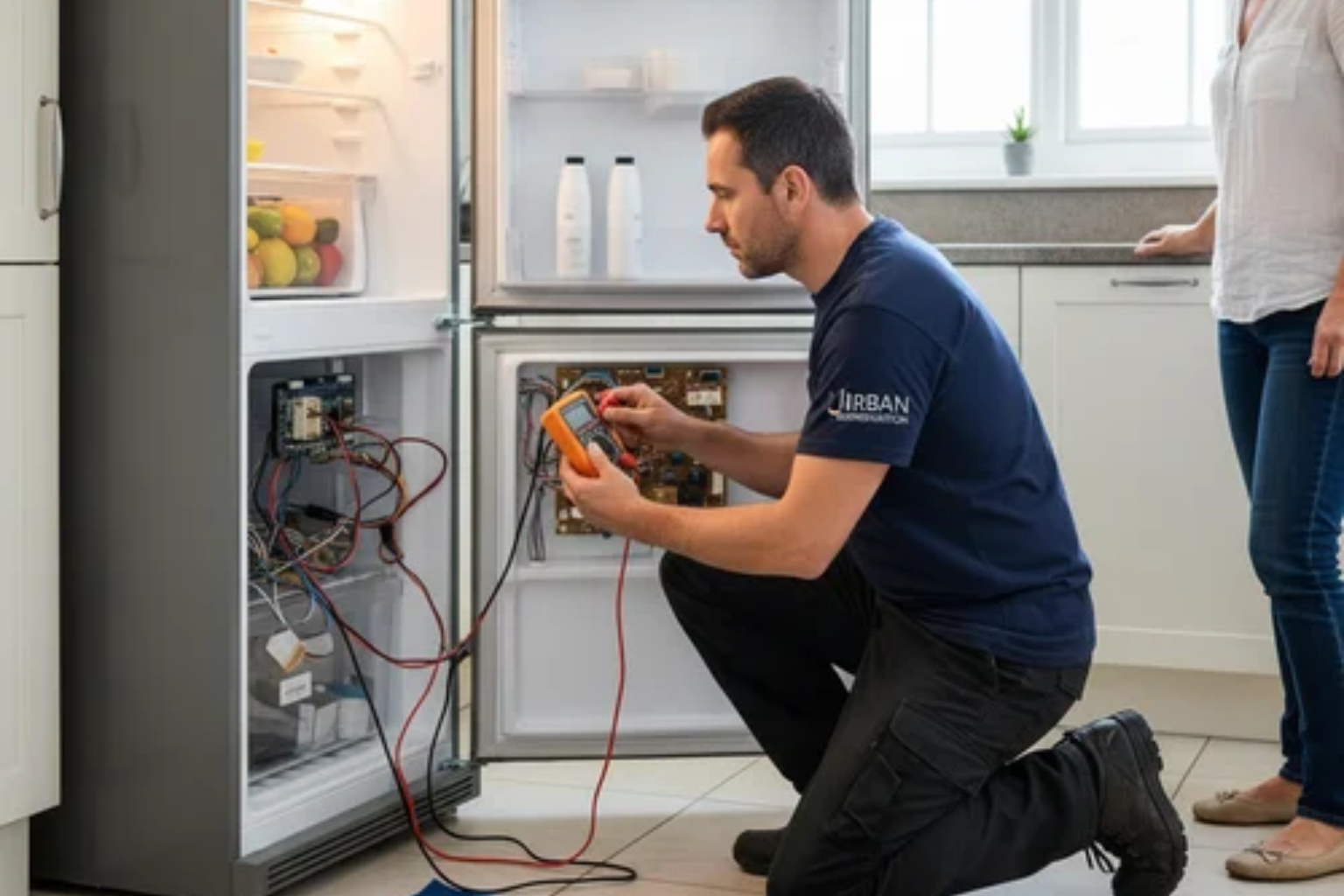
One lesson I learned the hard way: not every repair technician is trained to handle advanced digital systems. A generalist might replace parts unnecessarily because they’re unfamiliar with the model’s software diagnostics. A technician experienced with Samsung systems, however, can often pinpoint the issue quickly.
The key isn’t panic. It’s precision. With the right expertise, most Samsung issues are fixable — and often more affordable than replacing the unit entirely.
LG’s Blend of Style and Engineering
LG has built a reputation for sleek design paired with solid performance. Their front-load washers are popular for good reason. Their refrigerators are efficient and modern. But like any brand, they have their quirks.
Searching for lg repair typically means addressing issues tied to high-efficiency components. LG washers, for example, sometimes encounter drain pump failures or door lock sensor issues. Refrigerators may develop compressor-related concerns, especially in certain older models.
I once had an LG dryer that ran perfectly but wouldn’t produce heat. The fix turned out to be a faulty heating element — a common issue, but one that required proper testing to confirm. A less experienced technician might have blamed the thermostat or control board.
That’s the difference expertise makes. It’s not just about replacing parts. It’s about understanding how those parts interact within the system.
Regular maintenance helps, too. Cleaning filters, checking hoses, and ensuring proper ventilation go a long way in preventing major repairs. Appliances rarely fail without warning — they whisper before they shout.
Bosch: Precision and Performance
Bosch appliances carry a different kind of reputation. Quiet dishwashers. Precision cooking. European engineering. They’re often chosen for both performance and aesthetics.
But when something goes wrong, bosch repair requires attention to detail. Bosch dishwashers, for instance, rely on sophisticated water circulation systems. If dishes come out cloudy or the machine doesn’t drain properly, the issue might involve the pump, filters, or control module.
Bosch ovens, known for consistent heating, can occasionally develop sensor calibration issues. And because Bosch emphasizes energy efficiency, their appliances are tightly engineered. That’s excellent for performance — but it means repairs should be handled carefully.
In my experience, Bosch units reward proper maintenance. Cleaning filters regularly, using recommended detergents, and avoiding overloads can prevent a surprising number of issues. But when something internal fails, it’s best handled by someone familiar with the brand’s design philosophy.
Repair or Replace? A Practical Perspective
When premium appliances break, the replacement cost can be significant. That’s why repair often makes financial sense — especially if the unit is under ten years old.
A good rule of thumb: if the repair cost is less than half the price of a new model and the appliance has otherwise been reliable, fixing it is usually worthwhile.
But don’t rely solely on price. Consider the appliance’s history. Has it needed frequent repairs? Is it still energy-efficient compared to newer models? These factors matter.
Transparency from your technician is crucial. You should understand what failed, why it failed, and whether it’s likely to happen again. No vague answers. No unnecessary upselling.
Finding the Right Repair Professional
Not all technicians are equipped to handle premium brands. Look for service providers with brand-specific training or documented experience. Check reviews. Ask about warranties on parts and labor.
Communication matters more than people think. A technician who explains the issue clearly — without drowning you in technical jargon — builds trust immediately.
And yes, sometimes the simplest habits prevent the biggest headaches. Clean condenser coils. Avoid overloading washers. Use proper cleaning cycles for dishwashers. These small efforts extend appliance life significantly.
Restoring the Rhythm of Home
When your Samsung fridge cools properly again, when your LG washer spins quietly, when your Bosch dishwasher hums without complaint — there’s relief. Not dramatic relief. Just a subtle sense that your home is back in sync.
Premium appliances are investments. They deserve proper care. And when they falter, the solution isn’t frustration — it’s informed action.
With the right repair expertise, most breakdowns are temporary setbacks, not permanent losses. A thoughtful approach, a qualified technician, and a little preventive maintenance can keep your appliances running smoothly for years.
Because at the end of the day, it’s not about the brand logo on the front panel. It’s about reliability. Comfort. The simple satisfaction of pressing a button and knowing it will work.