
Key Points
For a stretch of roughly two decades, the saree quietly skipped a generation in many urban Indian households. Mothers who wore sarees daily to work or family functions often raised daughters who saw the garment as something reserved strictly for weddings, if they wore it at all. That gap appears to be closing, not through…
For a stretch of roughly two decades, the saree quietly skipped a generation in many urban Indian households. Mothers who wore sarees daily to work or family functions often raised daughters who saw the garment as something reserved strictly for weddings, if they wore it at all. That gap appears to be closing, not through any single campaign or trend, but through small, personal moments happening in bedrooms and living rooms across urban India.
A tradition that skipped a generation
Many women now in their twenties and thirties grew up watching their mothers drape sarees with practiced ease for everyday life, yet never learned the technique themselves, having come of age in a period when western wear and simpler ethnic sets dominated their own wardrobes. The saree, for this generation, often became something worn a handful of times a year, borrowed rather than owned, and draped by someone else rather than by themselves.
Why daughters are asking their mothers to teach them the drape now
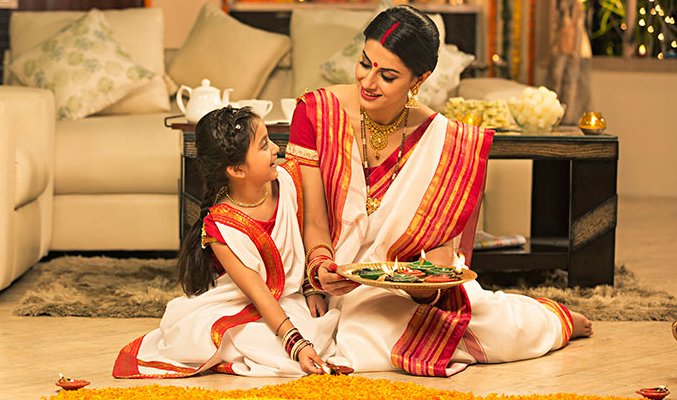
A noticeable shift has emerged in recent years, with younger women actively asking mothers, aunts, and grandmothers to teach them how to drape a saree properly, often specifically so they can wear one confidently to a friend’s wedding, a work event, or simply for a photograph they intend to keep. Unlike a quick YouTube tutorial, learning directly from a family member tends to come with stories about specific sarees, specific occasions, and specific reasons a particular drape style was preferred.
Related reading: Why Lily Arkwright’s Diamond Engagement Rings Are the Most PopularThe sarees mothers are handing down and the ones daughters are buying new
Heirloom sarees, particularly Kanjeevaram, Banarasi, and Chanderi pieces bought decades ago for a mother’s own wedding, are increasingly being restyled and worn by daughters for their own milestone events. Alongside this, many daughters are also buying their own handloom pieces for the first time, often in lighter, more everyday fabrics like cotton and linen that fit more naturally into their own working lives than their mother’s more formal silk collection.
A handwoven Maheshwari saree is a common starting point for many first-time buyers in this generation, since its lighter drape and everyday versatility make it easier to wear regularly rather than reserving it for a single occasion each year.
What this shift says about how young India relates to heritage
This return to the saree is not simply about the garment itself. It reflects a broader interest among younger urban women in engaging with family and cultural heritage on their own terms, rather than rejecting it outright or accepting it unquestioningly. Learning to drape a saree from a mother becomes, in a small way, a conversation about identity that neither generation necessarily had the language for a decade ago.
Starting your own version of the tradition
For families where this tradition has lapsed, restarting it does not require a grand gesture. A single afternoon spent learning one drape style, paired with a first handloom saree bought together rather than separately, is often enough to begin passing the tradition forward again in a way that feels genuine rather than performative.
Conclusion
The mother-daughter saree tradition never fully disappeared from urban India, but it did go quiet for a generation. Its return, driven by small personal choices rather than any organised movement, suggests that heritage dressing in India is not fading so much as being renegotiated, one drape lesson at a time.
Related Posts
Same section · next recordsFAS-0358 · 05 May 2025 · Fashion

Why Lily Arkwright’s Diamond Engagement Rings Are the Most Popular
When it comes to choosing the perfect engagement ring, couples are increasingly turning to…