
Key Points
Water Quality Is Easy to Take for Granted Most of us rarely think about our home’s water until something changes. Maybe your morning coffee tastes a little different, soap refuses to lather like it used to, or those stubborn white spots on your glassware suddenly seem impossible to remove. These aren’t dramatic problems, but they’re…
Water Quality Is Easy to Take for Granted
Most of us rarely think about our home’s water until something changes. Maybe your morning coffee tastes a little different, soap refuses to lather like it used to, or those stubborn white spots on your glassware suddenly seem impossible to remove. These aren’t dramatic problems, but they’re often the first hints that your water treatment system isn’t performing the way it once did.
Water treatment equipment is designed to work quietly in the background. Day after day, it protects your plumbing, appliances, and the water your family uses for drinking, cooking, and cleaning. Because it’s so dependable, it’s also easy to forget that it won’t last forever.
Like any mechanical system, age eventually catches up. Components wear down, technology evolves, and what worked well fifteen years ago may no longer be the best option for today’s household.
Related reading: What to Do Before the Plumber Arrives: Simple Steps That Can Limit DamageChoosing the Right Water Softening System Starts With Understanding Your Home’s WaterWhy the Right Water Filtration System Is Only as Good as the Way It’s Installed and MaintainedYour System Ages Even If You Don’t Notice
Unlike a broken appliance that suddenly stops working, water treatment systems usually decline gradually.
Mineral buildup becomes more noticeable. Regeneration cycles aren’t quite as effective. Filters lose efficiency, valves wear out, and internal components experience years of normal use.
The tricky part is that homeowners often adjust to these changes without realizing what’s happening. Hard water slowly becomes the new normal.
An
Related reading: Starting Fresh with Cooling: What Really Matters When You Set Up a New AC SystemWhen Your Tap Water Looks Different: A Thoughtful Look at What’s Really Going On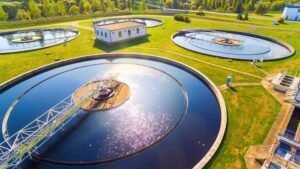
may still appear to function, but hidden performance losses can quietly affect every faucet, appliance, and plumbing fixture throughout your home.
That’s why occasional evaluations are so valuable. They help determine whether the equipment is still providing the level of protection your household needs.
Modern Systems Are Built Smarter
Water treatment technology has changed significantly over the past decade.
Today’s systems often include digital controls, smart monitoring features, high-efficiency regeneration cycles, leak detection capabilities, and more accurate water usage tracking.
Many models automatically adjust regeneration based on actual water consumption instead of following fixed schedules. That means less wasted water, lower salt usage, and fewer unnecessary operating cycles.
It’s one of those behind-the-scenes improvements that homeowners appreciate every month when utility costs stay lower.
Technology doesn’t always make life more complicated. Sometimes it simply makes routine tasks happen more efficiently.
Better Water Benefits Every Room in the House
People often think of water treatment as something that only affects drinking water.
In reality, nearly every room benefits.
The bathroom sees fewer mineral stains. Laundry feels softer. Kitchen appliances remain cleaner. Water heaters operate with less scale buildup, while dishwashers produce clearer glassware and better cleaning results.
Even small improvements become noticeable over time.
Many homeowners say the biggest surprise isn’t one dramatic change. It’s the collection of dozens of little improvements that make everyday living feel easier.
Efficiency Adds Up Over the Years
Older systems often require more salt, more water, and more maintenance than modern equipment.
While the monthly difference might seem relatively small, those savings accumulate year after year.
Newer systems are designed for improved efficiency, helping reduce unnecessary regeneration cycles while maintaining consistent water quality throughout the home.
That means homeowners spend less on operating costs while extending the lifespan of expensive plumbing fixtures and household appliances.
Efficiency isn’t only about saving money today—it’s about reducing long-term wear across your entire plumbing system.
Waiting Too Long Can Become Expensive
One common mistake homeowners make is postponing replacement until their equipment completely fails.
Unfortunately, by the time that happens, hard water may already have caused damage inside pipes, water heaters, dishwashers, washing machines, and other appliances.
Emergency replacements also limit your options.
Instead of researching products carefully and comparing features, you’re forced to make a quick decision because your home still needs water treatment immediately.
Planning ahead almost always results in better choices and less stress.
A scheduled replacement allows homeowners to evaluate different systems based on water quality, family size, future needs, and long-term operating costs.
Every Home Has Different Water Challenges
Municipal water varies from one neighborhood to another, and well water can differ dramatically even between neighboring properties.
Some households struggle with excessive hardness, while others deal with chlorine taste, sediment, sulfur odors, iron staining, or emerging contaminants.
That’s why upgrading isn’t simply about purchasing newer equipment.
A professional water analysis often reveals opportunities to customize treatment for your home’s specific water conditions.
Instead of treating symptoms, the right system addresses the actual cause of the problem.
That personalized approach typically delivers much better long-term results.
A Smart Investment Doesn’t Have to Be Expensive
Many homeowners delay replacing aging equipment because they assume it will involve a major financial commitment.
Surprisingly, newer systems often reduce operating expenses enough to offset part of the investment over time.
Lower maintenance requirements, reduced salt consumption, fewer appliance repairs, and improved energy efficiency all contribute to ongoing savings.
For many families, replacing aging equipment becomes a genuinely cost effective solution rather than simply another household expense.
Looking only at the purchase price rarely tells the full story.
The total cost of ownership often favors modern equipment designed to operate more efficiently for many years.
Think About the Long-Term Value
Water touches nearly every aspect of daily life.
You cook with it, shower in it, wash clothes with it, clean dishes, make coffee, brush your teeth, and fill your pets’ water bowls.
When water quality improves, those small daily experiences improve too.
More importantly, your home’s plumbing system remains better protected against mineral buildup and unnecessary wear.
The result is fewer repairs, longer appliance life, and greater confidence that your household water is being treated effectively every single day.
Replacing Your System Is an Investment in Everyday Comfort
It’s easy to postpone replacing equipment that’s still “mostly working.”
But when it comes to water treatment, waiting too long often means accepting lower performance without realizing it.
Upgrading an older system isn’t just about adding new technology. It’s about improving water quality, reducing maintenance, lowering operating costs, and protecting one of your home’s most valuable investments—its plumbing system.
Sometimes the best home improvements aren’t the ones everyone notices immediately. They’re the ones quietly working behind the scenes, making everyday life a little easier, a little cleaner, and a lot more reliable.
A modern water treatment system does exactly that, providing dependable performance that benefits your family every single day without asking much in return.
Related Posts
Same section · next recordsHOM-0716 · 22 Aug 2026 · Home services
What to Do Before the Plumber Arrives: Simple Steps That Can Limit Damage
A plumbing emergency can turn an ordinary day upside down pretty quickly. One minute…
HOM-0705 · 28 Jul 2026 · Home services
Choosing the Right Water Softening System Starts With Understanding Your Home’s Water
Not All Water Feels the Same It’s funny how we expect water to be…
HOM-0701 · 28 Jul 2026 · Home services
Why the Right Water Filtration System Is Only as Good as the Way It’s Installed and Maintained
Buying a home water filtration system can feel like crossing an important item off…