
Key Points
When people think about robotics, their minds often jump to advanced machines, artificial intelligence, or futuristic inventions. Yet most robotics projects begin with something much simpler. A few motors, a frame, some wires, and an idea. That’s usually enough to spark the journey. There’s a certain charm in building something that moves under its own…
When people think about robotics, their minds often jump to advanced machines, artificial intelligence, or futuristic inventions. Yet most robotics projects begin with something much simpler. A few motors, a frame, some wires, and an idea. That’s usually enough to spark the journey.
There’s a certain charm in building something that moves under its own power. Whether it’s a school project, a hobby robot, or a prototype for a larger concept, robotics has a way of turning imagination into reality. And perhaps that’s why it continues to attract curious minds of all ages.
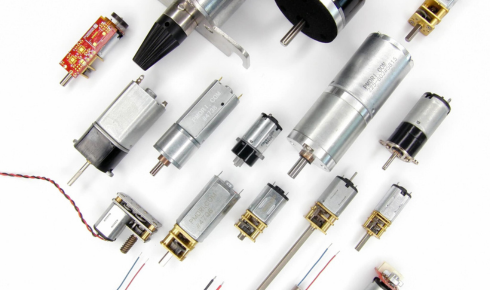
For beginners, one of the first discoveries is that movement doesn’t happen by accident. A robot needs power, control, and a reliable way to convert electrical energy into motion. That’s where components like the dc gear motor come into play. These motors are designed to provide greater torque at lower speeds, making them ideal for applications where strength and control matter more than raw speed. From line-following robots to small automated vehicles, they remain one of the most commonly used building blocks in educational robotics.
Related reading: SEO Services UK for SMEs: What’s Realistic, What’s Affordable, and What’s Actually Worth ItWhy Zero Trust Architecture Matters for Modern BusinessesExternal Network Penetration Testing and Cloud Penetration Testing: Securing Business InfrastructureWhat makes robotics so engaging is that every project feels like a puzzle waiting to be solved. You don’t simply assemble parts; you create systems. A motor must work with wheels. Sensors must communicate with controllers. Power sources need to support everything without creating instability. Each component plays a role, and every choice influences the final result.
The learning process can be surprisingly rewarding. One day you’re trying to figure out why a wheel isn’t turning properly. The next, you’re adjusting programming logic or redesigning a mechanical mount. Sometimes progress comes quickly. Other times it arrives after hours of trial and error. Either way, each obstacle teaches something valuable.
Among the many components available to hobbyists, the geared dc motor remains a favorite because it offers a practical balance between power and efficiency. Unlike standard motors that spin extremely fast, geared versions reduce speed while increasing usable torque. This makes them especially useful for robotic vehicles, conveyor systems, and automated mechanisms that need controlled movement rather than excessive rotation.
As robotics kits become more affordable, access to hands-on learning has expanded dramatically. Students who once only read about engineering concepts can now experiment with them directly. Schools, hobby clubs, and makerspaces frequently use robotics projects to introduce topics such as mechanics, electronics, programming, and problem-solving in a way that feels interactive rather than theoretical.
Related reading: Stepper Motor and Motor with Gear: Precision and Power in MotionTop 10 Questions Answered About Robotics in Everyday LifeOne thing that surprises many newcomers is how much creativity robotics encourages. While technical skills are important, imagination often matters just as much. There are countless ways to approach the same challenge. Two people can start with identical components and end up creating entirely different machines. That’s part of what keeps the field fresh and exciting.
Motor selection often plays a major role in project success. Choosing the right gear motor can determine how effectively a robot handles obstacles, carries weight, or navigates different surfaces. A motor that works perfectly in one design may struggle in another. Understanding these differences gradually helps builders make better engineering decisions and improve overall performance.
Of course, movement alone doesn’t make a robot interesting. Sensors, controllers, and software all contribute to creating intelligent behavior. Modern hobby robots can detect obstacles, follow lines, respond to light, and even communicate wirelessly. What once required professional equipment is now accessible to students and enthusiasts working from a bedroom desk or garage workshop.
The physical structure of a robot is equally important. A solid robot chassis provides the foundation that supports every other component. It determines stability, weight distribution, and overall durability. Whether made from acrylic, metal, plastic, or custom 3D-printed materials, the chassis acts as the backbone of the entire system. Without a well-designed frame, even the best electronics can struggle to perform effectively.
One of the reasons robotics remains so popular is that it combines multiple disciplines into a single activity. Electronics, mechanical design, programming, mathematics, and creativity all intersect in meaningful ways. Few hobbies provide such a complete learning experience while still feeling genuinely fun.
The online robotics community has also made learning easier than ever. Tutorials, forums, project guides, and open-source resources allow beginners to learn from experienced builders around the world. Questions that once took days to answer can now be solved in minutes with a quick search.
At its heart, robotics is about exploration. It’s about asking questions, testing ideas, and learning through experimentation. Every successful robot represents a collection of lessons learned through both achievements and mistakes.
As technology continues evolving, robotics will only become more relevant. Yet despite the advances in artificial intelligence and automation, the core experience remains the same. A simple idea, a few carefully selected components, and the excitement of watching something you built come to life. That’s a feeling that never really gets old.
Related Posts
Same section · next recordsTEC-0658 · 22 Apr 2026 · Technology

SEO Services UK for SMEs: What’s Realistic, What’s Affordable, and What’s Actually Worth It
Small and medium-sized businesses in the UK face a particular frustration with SEO. The…
TEC-0552 · 20 Feb 2026 · Technology

Why Zero Trust Architecture Matters for Modern Businesses
Most businesses still operate on an outdated assumption: anything inside the corporate network deserves…
TEC-0524 · 28 Nov 2025 · Technology

External Network Penetration Testing and Cloud Penetration Testing: Securing Business Infrastructure
Cyberattacks are more sophisticated than ever, targeting not just internal systems but also the…