There’s never a “good” time for your water heater to stop working. But somehow, it always seems to happen at the worst possible moment. Early morning, when you’re already running late. Late at night, when everything’s closed. Or right before guests arrive—because of course.
Hot water is one of those invisible comforts. You don’t think about it until it disappears, and then suddenly, it’s all you can think about.
The Moment You Realize Something’s Wrong
It usually starts with confusion. You turn on the tap, expecting warmth, and instead—nothing but cold water. Maybe you wait a few seconds longer than usual. Maybe you try again. Still cold.
Then comes the realization: this isn’t a delay. Something’s off.
In some cases, the signs were already there. Slightly inconsistent temperature. Strange noises from the heater. Water not lasting as long as it used to. But like most of us, you probably brushed it off, thinking it could wait.
Until it couldn’t.
Why Water Heaters Tend to Fail Suddenly
Here’s the thing—water heaters rarely fail without warning. But those warnings are subtle, easy to miss.
Sediment builds up over time, especially in areas with hard water. Components wear out. Pressure fluctuates. And slowly, the system starts to struggle. It’s not dramatic—it’s gradual.
Until one day, it reaches a tipping point.
And when that happens, you’re not just dealing with inconvenience. You’re dealing with disruption.
When Waiting Isn’t an Option
Some problems can sit for a day or two. A dripping tap, maybe. A slow drain. But hot water? That’s different.
When your water heater stops working completely, it often requires emergency water heater repair—not just because of comfort, but because of the potential risks involved. Leaks can cause damage. Faulty systems can lead to pressure issues. In some cases, there’s even a safety concern.
And honestly, when you’re standing under a freezing shower, logic aside, you just want it fixed. Quickly.
The Emotional Side of a Cold Shower
It sounds dramatic, but there’s something genuinely unsettling about losing hot water. It disrupts routines in a way that feels bigger than it should.
You start adjusting your day. Planning around it. Maybe even avoiding certain tasks altogether. And all of it adds up to a low-level frustration that lingers longer than expected.
It’s not just about temperature—it’s about normalcy.
Why Quick Fixes Aren’t Always the Answer
In the middle of an issue, it’s tempting to look for the fastest solution. Reset the heater. Check a few switches. Maybe even try a DIY fix you saw somewhere.
And sometimes, that works. But not always.
Water heaters are more complex than they seem. Electrical components, pressure systems, heating elements—all working together. A quick fix might address the symptom, but not the cause.
And when the cause is left unresolved, the problem tends to come back. Often worse.
The Value of Experience in Urgent Situations
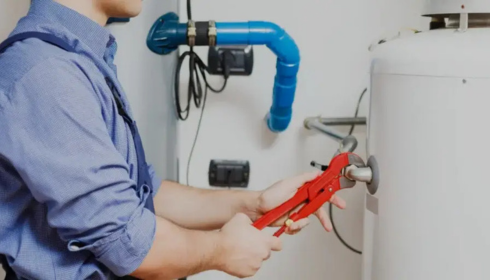
This is where calling certified plumbers makes a real difference. Not just because they have the tools, but because they understand the system as a whole.
They don’t just fix what’s obvious—they look deeper. They check connections, test components, and figure out why the issue happened in the first place. That kind of insight can save you from repeated breakdowns.
And in urgent situations, that experience matters even more. It’s the difference between a temporary fix and a reliable solution.
What You Can Do Before Help Arrives
If you ever find yourself in a situation where your water heater stops working, there are a few basic things you can check. Nothing complicated—just simple observations.
Is the power supply working? Is the pilot light on (for gas heaters)? Is there any visible leak? These small checks can sometimes point to the problem or at least help you explain it better when you call for help.
But beyond that, it’s best not to go too far. Pushing beyond your comfort zone can sometimes make things worse.
Preventing the Next Emergency
Here’s the part most people don’t think about until after the fact—prevention.
Regular maintenance can significantly reduce the chances of sudden failure. Flushing the tank, checking valves, inspecting for early signs of wear—these aren’t big tasks, but they make a difference.
It’s a bit like routine health checkups. You don’t wait until something’s wrong to pay attention.
Knowing When It’s More Than Just a Repair
Sometimes, an emergency repair reveals something bigger. Maybe the system is too old. Maybe it’s been patched up one too many times. At that point, fixing it might not be the best long-term solution.
Deciding whether to repair or replace isn’t always easy. It depends on the condition of the system, the cost of repairs, and how reliable it’s been overall.
But one thing’s clear—repeated emergencies are usually a sign that something needs to change.
A Final Thought on Everyday Dependability
Hot water isn’t something we celebrate. It’s not flashy or exciting. But it’s essential in a quiet, steady way.
And when it stops working, it reminds you just how much you rely on it.
So whether you’re dealing with an unexpected breakdown or just thinking ahead, it’s worth paying attention to your water heater. Not obsessively—but enough to catch problems before they become emergencies.
Because in the end, comfort isn’t just about having hot water. It’s about knowing it’ll be there when you need it most.