
Key Points
There’s something oddly intimate about drinking water from your own kitchen tap. It’s part of your daily rhythm — first thing in the morning, after a workout, while cooking dinner. You don’t think about it much. You just trust it. But every now and then, a question creeps in. Why does it taste slightly different…
There’s something oddly intimate about drinking water from your own kitchen tap. It’s part of your daily rhythm — first thing in the morning, after a workout, while cooking dinner. You don’t think about it much. You just trust it.
But every now and then, a question creeps in. Why does it taste slightly different this week? Why does your kettle have that white buildup again? Or why does your coffee seem a little flat, even though you’re using the same beans?
Water quality isn’t always dramatic. It’s rarely a crisis. More often, it’s a quiet realization that maybe — just maybe — your home’s water could be better.
Related reading: What to Do Before the Plumber Arrives: Simple Steps That Can Limit DamageChoosing the Right Water Softening System Starts With Understanding Your Home’s WaterWhy the Right Water Filtration System Is Only as Good as the Way It’s Installed and MaintainedAnd that’s where things get interesting.
The Subtle Clues Your Water Leaves Behind
Most municipal water systems do their job well. They treat water to meet safety standards, monitor it regularly, and keep communities supplied. That’s reassuring.
Still, the journey from treatment plant to your faucet isn’t short. Water travels through miles of pipes, and along the way, it can pick up trace minerals, sediment, or even small amounts of metals from aging infrastructure. Add to that the chlorine used for disinfection, and suddenly your “safe” water might not taste or feel as clean as you’d like.
For some households, the issue is hardness. For others, it’s chlorine odor. And for those using private wells, the variables expand — iron, sulfur, or other naturally occurring elements can enter the mix.
Related reading: Why Replacing an Aging Water Treatment System Can Save More Than You ExpectStarting Fresh with Cooling: What Really Matters When You Set Up a New AC SystemYou might notice it in the taste. Or the way soap behaves in the shower. Or the cloudy look of ice cubes.
These are small signals. But they matter.
What Reverse Osmosis Really Does
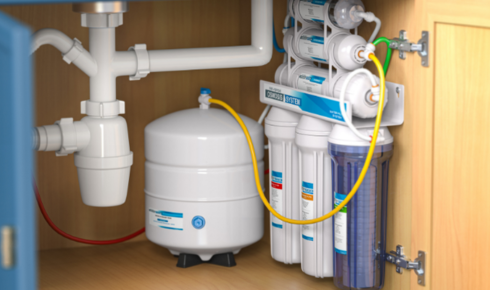
One of the most popular ways homeowners address drinking water concerns is with a reverse osmosis drinking water system. Despite the slightly technical name, the idea is simple.
Water passes through a specialized membrane that filters out many dissolved solids and impurities. The result? Cleaner, clearer water delivered directly to a dedicated tap — usually installed under the kitchen sink.
People often describe the difference in taste first. Coffee seems brighter. Tea tastes cleaner. Even plain water feels crisper.
It’s not magic. It’s physics and filtration working together. And for many families, it’s a noticeable upgrade in everyday life.
That said, reverse osmosis isn’t about eliminating everything indiscriminately. It’s about targeted filtration. Some systems even reintroduce small amounts of beneficial minerals to improve taste after filtration.
The key is understanding what you’re solving for.
Why Contaminant Reduction Matters
You’ll hear a lot about contaminant reduction when researching water systems. It sounds technical — maybe even a bit intimidating — but at its core, it’s straightforward.
It means minimizing unwanted elements in your drinking water. That could include chlorine, sediment, heavy metals, or dissolved solids. Each home’s needs are different, depending on water source and local conditions.
Reduction doesn’t necessarily mean complete elimination. It’s about balance. Lowering levels of substances that affect taste, odor, or long-term plumbing health.
Think of it as fine-tuning rather than overhauling. You’re not reacting to an emergency. You’re optimizing something you use every single day.
And when you frame it that way, it feels less like an expense and more like an investment in comfort and consistency.
Everyday Benefits You Might Not Expect
When water quality improves, the benefits often show up in subtle, satisfying ways.
Cooking feels different. Pasta boils in clearer water. Vegetables rinse clean without a lingering scent. Ice cubes look — well, like ice cubes, not cloudy little mysteries.
And then there’s the shift away from bottled water. Many households turn to bottled water simply because they prefer the taste. With better filtration at home, that reliance often fades. Fewer plastic bottles. Less clutter. Lower long-term cost.
There’s also something deeply reassuring about pouring a glass from your own tap and knowing it’s purified water you can trust.
It changes the relationship you have with something so ordinary.
Choosing the Right System for Your Home
Here’s where things get personal.
Not every home needs the same setup. A family on municipal water may focus primarily on chlorine and taste. A well-water household might require additional filtration for minerals or bacteria. Apartment dwellers might opt for compact under-sink systems, while larger households consider whole-home solutions.
Before investing in equipment, testing your water is a smart first step. It gives you real data instead of assumptions. You’ll know whether you’re dealing with high total dissolved solids, elevated hardness, or simply aesthetic concerns.
From there, decisions become clearer.
And don’t overlook maintenance. Filters and membranes need periodic replacement. Most modern systems are designed for simplicity, but consistency is key. Like changing the oil in your car, it’s routine care that protects the bigger picture.
A Small Change That Feels Bigger Over Time
We often focus on visible home upgrades — new countertops, fresh paint, updated lighting. But some of the most meaningful improvements are invisible.
Water flows through every part of your day. It fuels your body. It shapes your meals. It fills your coffee mug before you’re fully awake.
Improving it doesn’t require fanfare. It’s quiet. Subtle. But over time, the difference accumulates.
You stop second-guessing the taste. You stop buying cases of bottled water. You trust what’s coming out of your tap.
And maybe that’s the real point.
Better drinking water isn’t about chasing perfection. It’s about comfort. Confidence. A sense that the small details of your home are working in your favor.
Related Posts
Same section · next recordsHOM-0716 · 22 Aug 2026 · Home services

What to Do Before the Plumber Arrives: Simple Steps That Can Limit Damage
A plumbing emergency can turn an ordinary day upside down pretty quickly. One minute…
HOM-0705 · 28 Jul 2026 · Home services
Choosing the Right Water Softening System Starts With Understanding Your Home’s Water
Not All Water Feels the Same It’s funny how we expect water to be…
HOM-0701 · 28 Jul 2026 · Home services
Why the Right Water Filtration System Is Only as Good as the Way It’s Installed and Maintained
Buying a home water filtration system can feel like crossing an important item off…